
👴 Senior Pugs

Caring for your senior pug

As pugs enter their senior years (usually around 8+ years), their needs change. They may slow down, develop health conditions, and need adjustments to their diet, exercise, and home environment.

With the right care, many pugs live well into their teens, enjoying a happy and comfortable old age.

Vet-reviewed advice. Always consult your vet for medical concerns.

Senior Pugs

When is a pug considered senior?

Pugs are generally considered senior from around 8 years old. Some may show signs of aging earlier, while others remain sprightly well into their teens. Regular vet check-ups (every 6 months) are important from this age onwards.

Common senior pug health issues

  • Arthritis and joint stiffness
  • Dental disease and tooth loss
  • Vision loss (cataracts, progressive retinal atrophy)
  • Hearing loss
  • Weight gain or loss
  • Kidney or liver disease
  • Heart conditions
  • Cognitive dysfunction (dog dementia)

Adjusting your senior pug's care

  • Switch to a senior-specific diet with joint support and fewer calories
  • Provide orthopaedic bedding for joint comfort
  • Use ramps or steps for accessing furniture and the car
  • Keep walks shorter but more frequent
  • Maintain gentle daily exercise to preserve muscle and joint function
  • Brush teeth regularly and provide dental chews
  • Schedule vet check-ups every 6 months with blood work
  • Adapt your home: non-slip mats, night lights, easy access to food and water

Signs of cognitive decline

  • Confusion or disorientation in familiar places
  • Changes in sleep patterns (restlessness at night)
  • Forgetting housetraining
  • Reduced response to name or commands
  • Staring at walls or getting stuck in corners
  • Changes in interaction with family

Frequently Asked Questions

At what age is a pug considered senior?

Pugs are generally considered senior from around 8 years old. However, every pug ages differently – some may need senior care adjustments earlier, while others remain active well beyond 8. Regular vet check-ups from age 7 onwards help catch age-related issues early.

Should I change my senior pug's diet?

Many senior pugs benefit from a senior-specific diet that's lower in calories but higher in joint-supporting nutrients like glucosamine and omega-3s. Your vet can recommend the best diet based on your pug's health, weight, and any medical conditions.

How do I know if my senior pug is suffering?

Signs of poor quality of life include: persistent pain that isn't managed by medication, loss of appetite, difficulty breathing, incontinence that causes distress, and loss of interest in things they once enjoyed. A quality of life assessment with your vet can help guide decisions.

🛒 Recommended

Highly Recommended Products

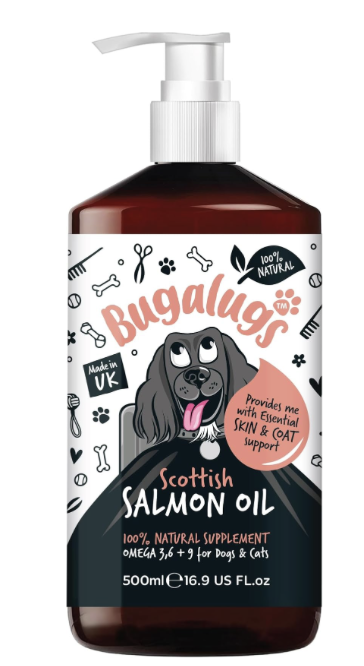
Bugalugs Scottish Salmon Oil

Bugalugs Scottish Salmon Oil

Cold-pressed Scottish salmon oil rich in omega-3s to support your pug's joints, skin, coat and heart health.

✔ Great for:
  • Joint health
  • Skin & coat
  • Omega-3 boost
Important

Refrigerate after opening. Always introduce new supplements gradually. Consult your vet if your pug has a medical condition.
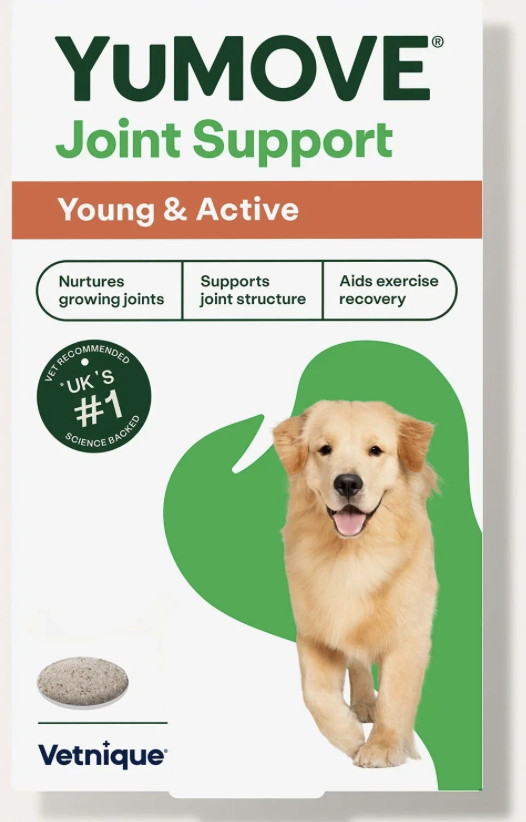
YuMove Senior Joint Supplement

YuMove Senior Joint Supplement

Advanced joint supplement with glucosamine, chondroitin and omega-3s, designed specifically for senior dogs.

✔ Great for:
  • Stiff joints
  • Mobility support
  • Senior pugs
Important

Not suitable for dogs under 1 year old. Consult your vet before starting any new supplement, especially if your dog is on medication.

Vet advice notice

The content on this page is for educational and informational purposes only. It is not a substitute for professional veterinary advice, diagnosis or treatment. If you are concerned about your pug's health, always consult a qualified veterinary surgeon.