1
Suspect an issue
Do you suspect there's a problem? Look for squinting, redness, cloudiness, excessive blinking, discharge, or your pug pawing at their face. If something looks off, don't wait – move to the next step.

Pugs have large, prominent eyes that are more exposed than those of most other breeds. This makes them prone to dryness, irritation, scratches, and infections. A few minutes of daily care can prevent problems before they start.
Whether your pug has dry eyes, tear stains, or you just want to keep everything clean and comfortable, this guide covers the routine, the products, and the signs that mean a trip to the vet.
Do you suspect there's a problem? Look for squinting, redness, cloudiness, excessive blinking, discharge, or your pug pawing at their face. If something looks off, don't wait – move to the next step.
Look at both eyes in good light. Check for redness, discharge, cloudiness, squinting, or any debris stuck near the eye. If your pug has dry or exposed eyes, apply a pea-sized amount of lubricating gel to each eye to protect the cornea.
Cloudy and squinty eyes need urgent veterinary attention – eye problems in pugs can escalate fast. Apply Remend and call the vet urgently. Eye ulcers can quickly become melting ulcers, so urgent attention is absolutely necessary. If you see a visible scratch, ulcer, or bump on the eye surface, contact your vet immediately.
Your vet may perform a fluorescein dye test to check for an eye ulcer. If an ulcer is found, they'll usually prescribe antibiotic eye drops and pain relief. Follow your vet's instructions carefully, allowing at least 30 minutes between antibiotic drops and lubricating drops. If lubricating drops aren't prescribed, we recommend using one of the products below to help keep the eye moist and support healing.
Before bedtime, apply a small ribbon of Xailin Night Eye Ointment to the lower eyelid. This preservative free ointment provides long lasting lubrication throughout the night, ideal for pugs whose eyes may not close fully during sleep. It's highly recommended throughout the pug community for overnight protection, especially for dogs with chronic dry eye or incomplete eyelid closure. In the morning rinse and repeat until your next vet visit.
You cannot overuse eye lubrication. We recommend applying it as often as you like, even several times throughout the day for extra comfort.
A quick visual check every day is a good habit. Wipe away any discharge or tear buildup using a soft, damp cloth or a dedicated eye wipe as needed – usually once a day or every other day.
If your pug's eyes are watering more than usual, or if you notice redness or squinting, clean gently and monitor closely. Increased discharge can be a sign of an irritant or an infection.
Check your pug's eyes daily. Wipe away any discharge or tear buildup with a soft, damp cloth or vet-approved eye wipe as needed – usually once a day or every other day. If you notice increasing discharge, redness or squinting, monitor closely and consult your vet.
Tear stains are common in pugs due to their shallow eye sockets and prominent eyes. The stains are caused by porphyrins in tears. Regular gentle cleaning, keeping the fur around the eyes trimmed, and ensuring tear ducts are not blocked can help. Some pugs benefit from a diet change or supplements – talk to your vet if tear stains are excessive. It's also recommended to try bottled water!
Dry eyes are common in pugs due to their prominent eyes and incomplete blink. A vet-approved lubricating gel (like OptixCare) can help keep the eyes comfortable. Avoid human eye drops – many contain preservatives or ingredients that aren't safe for dogs. If dryness persists, your vet can check tear production and recommend the right product.
A scratched cornea (corneal ulcer) needs veterinary attention. Keep your pug from rubbing the eye and contact your vet promptly. They may recommend a corneal repair gel and possibly medication to prevent infection. Do not use over-the-counter drops without veterinary advice.
Cherry eye is a prolapse of the third eyelid gland – it looks like a red, cherry-like lump in the corner of the eye. It's common in pugs and often requires surgical correction. If you see this, contact your vet. Do not try to push it back yourself.
Yes, squinting or keeping one eye closed usually means the eye is painful. This could be a corneal scratch, ulcer, infection, or something stuck in the eye. Contact your vet promptly – eye problems in pugs can worsen quickly.
Lubricating gel (like OptixCare) is thinner and suitable for daytime use – it spreads easily and provides moisture throughout the day. Overnight ointment (like Xailin Night) is thicker and stays in place longer, making it ideal for nighttime protection, especially if your pug's eyes don't close fully during sleep.
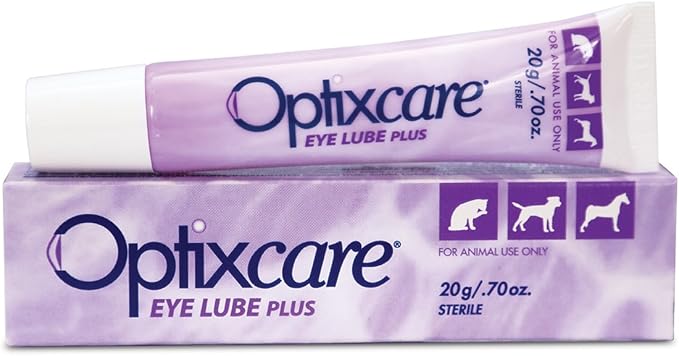
Lubricating gel with hyaluron that keeps pug eyes comfortable and protected throughout the day.
For external (ocular) use only. Do not touch the tip of the tube to the eye surface. Discontinue use if irritation occurs. Consult your vet if symptoms persist.
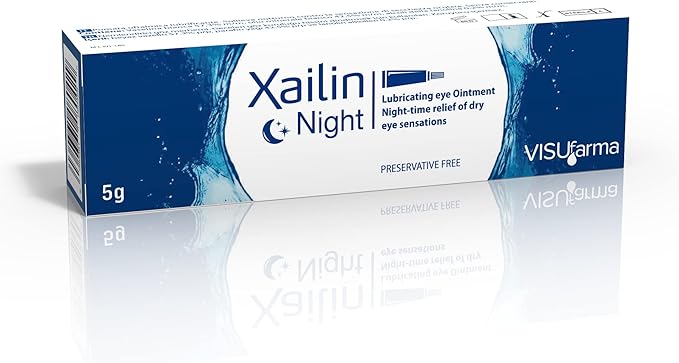
Excellent for long overnight lubrication – a preservative-free ointment that keeps eyes comfortable all night.
For ophthalmic use only. May cause temporary blurring. Do not touch the tube tip to the eye. Discontinue use if irritation develops. Consult your vet if symptoms persist.
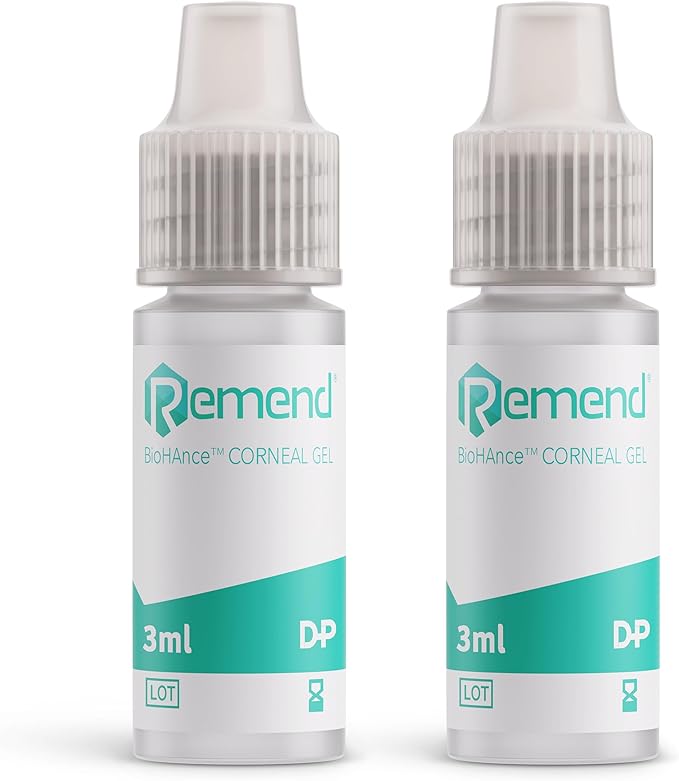
Advanced cross-linked hyaluronic acid gel that supports corneal recovery and soothes irritated eyes.
For ophthalmic use only. Do not use if the eye is actively infected or if there is a deep corneal wound without veterinary supervision. Always consult your vet before using on an injured eye.
The content on this page is for educational and informational purposes only. It is not a substitute for professional veterinary advice, diagnosis or treatment. If you are concerned about your pug's health, always consult a qualified veterinary surgeon.