
ðŸĶī Mobility

Keeping your pug moving comfortably

Pugs are prone to joint issues, including patellar luxation (loose kneecaps), hip dysplasia, and arthritis. Their compact bodies put pressure on their joints, and excess weight makes everything worse.

Good joint care starts early – maintaining a healthy weight, providing appropriate exercise, and using supportive surfaces can make a big difference to your pug's mobility as they age.

Vet-reviewed advice. Always consult your vet for medical concerns.

Mobility Guide

Common mobility issues in pugs

  • Patellar luxation – the kneecap slips out of place, causing a skipping or hopping gait
  • Hip dysplasia – the hip joint doesn't fit properly, leading to arthritis over time
  • Arthritis – joint inflammation that causes stiffness, especially after rest
  • Intervertebral disc disease (IVDD) – disc problems in the spine that can cause pain or paralysis
  • Pug myelopathy – a progressive spinal condition causing weakness and wobbliness in the back legs, loss of coordination, and bathroom accidents as they lose awareness of when they need to poo

How to support your pug's joints

  • Keep your pug at a healthy weight – every extra kilo puts strain on joints
  • Provide soft, supportive bedding – orthopaedic beds help
  • Use ramps for getting in and out of cars or onto furniture
  • Walk on soft surfaces (grass, dirt paths) rather than hard pavement
  • Provide gentle, regular exercise to maintain muscle strength
  • Avoid high-impact activities like jumping from heights or running on hard surfaces
  • Consider joint supplements (glucosamine, chondroitin, omega-3s) – ask your vet for recommendations

Signs of joint pain

  • Reluctance to jump or climb stairs
  • Stiffness after rest, especially in the morning
  • Limping or favouring a leg
  • Skipping or hopping gait (classic sign of patellar luxation)
  • Difficulty getting up from lying down
  • Changes in behaviour – irritability or withdrawal
  • Licking or chewing at a particular joint

Frequently Asked Questions

What is patellar luxation in pugs?

Patellar luxation is when the kneecap slips out of its groove. It causes a skipping or hopping gait – your pug may run on three legs for a few steps before the kneecap pops back in. Mild cases can be managed with weight control and joint supplements, but severe cases may need surgery.

Should I get a ramp for my pug?

Yes – ramps help reduce the impact on your pug's joints when getting in and out of cars or onto furniture. Repeated jumping can worsen joint issues, so ramps or steps are a worthwhile investment, especially as your pug gets older.

Do joint supplements work for pugs?

Many pugs benefit from joint supplements containing glucosamine, chondroitin, and omega-3 fatty acids. They won't reverse existing damage but can help slow progression and reduce discomfort. Always ask your vet for a recommendation before starting supplements.

🛒 Recommended

Highly Recommended Products

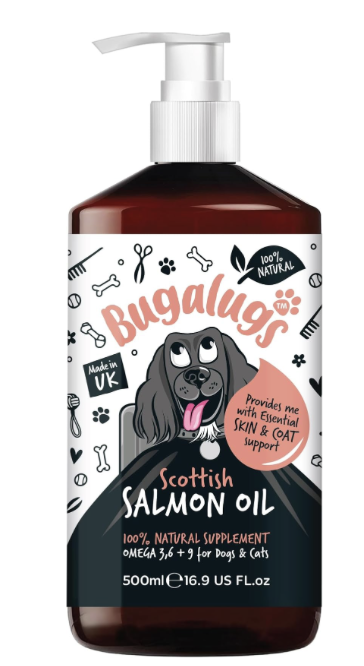
Bugalugs Scottish Salmon Oil

Bugalugs Scottish Salmon Oil

Cold-pressed Scottish salmon oil rich in omega-3s to support your pug's joints, skin, coat and heart health.

✔ Great for:
  • Joint health
  • Skin & coat
  • Omega-3 boost
Important

Refrigerate after opening. Always introduce new supplements gradually. Consult your vet if your pug has a medical condition.
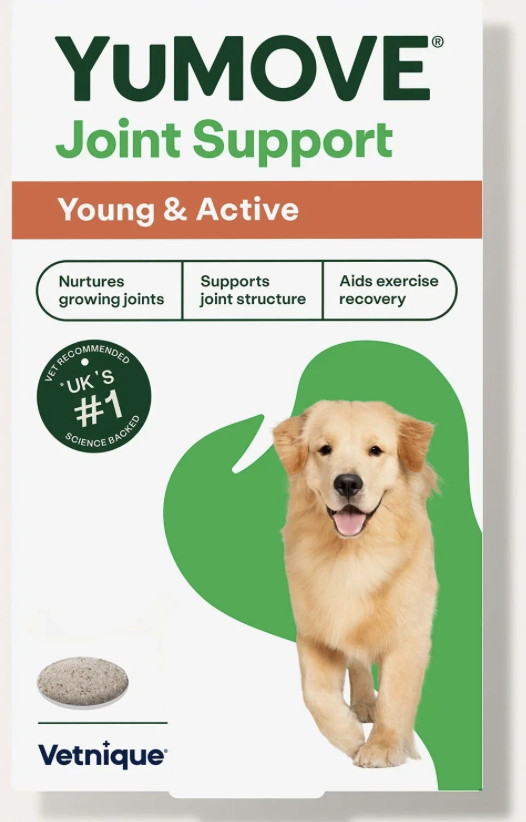
YuMove Senior Joint Supplement

YuMove Senior Joint Supplement

Advanced joint supplement with glucosamine, chondroitin and omega-3s, designed specifically for senior dogs.

✔ Great for:
  • Stiff joints
  • Mobility support
  • Senior pugs
Important

Not suitable for dogs under 1 year old. Consult your vet before starting any new supplement, especially if your dog is on medication.

Vet advice notice

The content on this page is for educational and informational purposes only. It is not a substitute for professional veterinary advice, diagnosis or treatment. If you are concerned about your pug's health, always consult a qualified veterinary surgeon.